



Cervical Cancer Screening in Sharjah: Pap Test, HPV Test, and Why It Matters

Quick answer: Cervical cancer screening helps detect cervical cell changes or high-risk HPV infection before cancer develops. Screening may involve a Pap test, an HPV test, or both, depending on your age, medical history, previous results, and local clinical guidance.
What Is the Difference Between a Pap Test and an HPV Test?
A Pap test checks cervical cells for changes that may need follow-up. An HPV test checks for certain types of human papillomavirus that can increase the risk of cervical cell changes. Your gynecologist can explain which test is appropriate for you and why.
Why Is Cervical Screening Important?
Early cervical cell changes often do not cause symptoms. Screening is designed to find changes before they become more serious, allowing appropriate follow-up and treatment when needed. Screening remains important even for women who feel well.
What Happens During the Appointment?
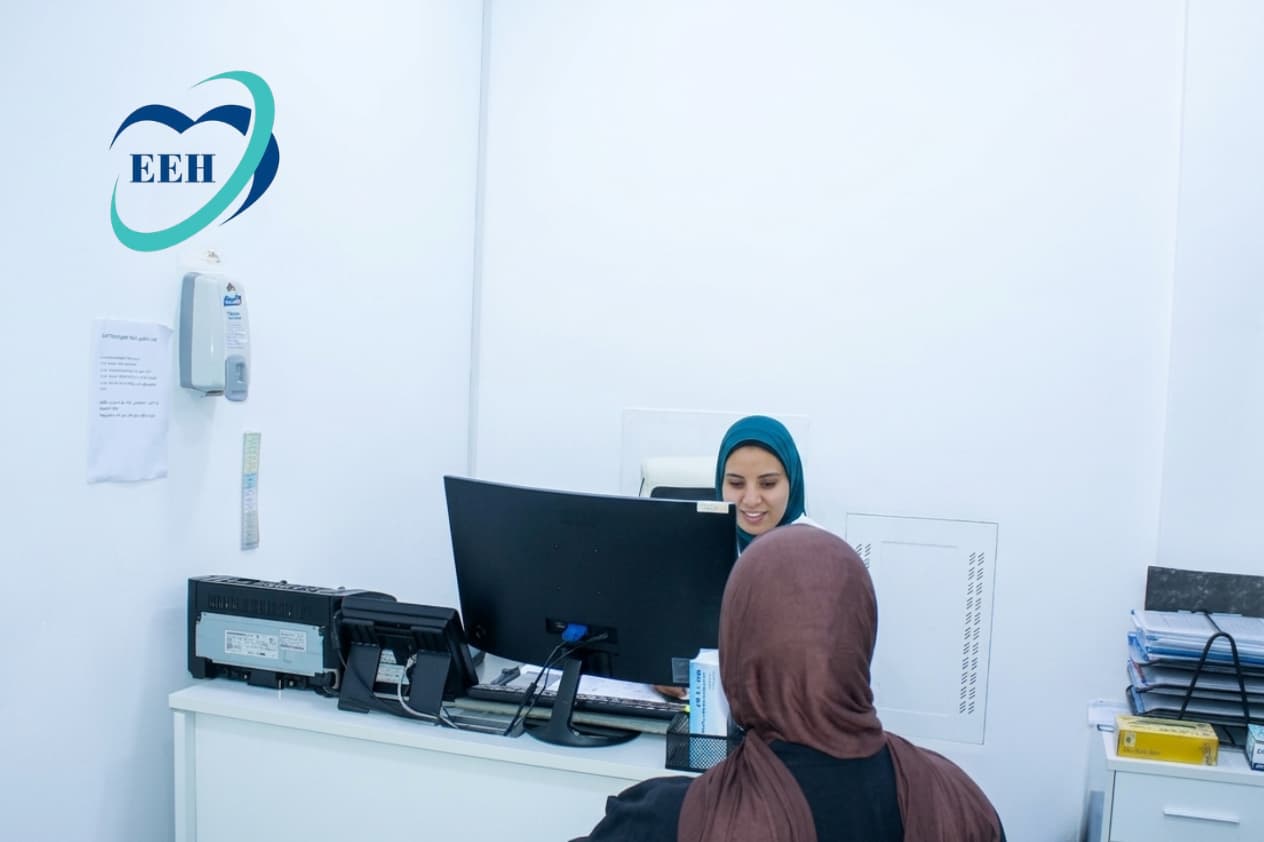
Your gynecologist will explain the process, answer questions, and obtain a small sample of cells from the cervix when screening is due. The appointment is usually brief. You can discuss concerns about comfort, privacy, a chaperone, pregnancy, or previous experiences before the examination.
How Often Should You Be Screened?
The right schedule depends on your age, health history, prior screening results, and current guidelines. Ask your gynecologist at Emirates European Hospital in Sharjah which screening plan is suitable for you.