



Ovarian Cysts in Sharjah: Symptoms and When to See a Gynecologist

Quick answer: An ovarian cyst is a fluid-filled or tissue-filled sac that forms on or in an ovary. Many ovarian cysts are harmless and may resolve without treatment, but some can cause pain, bloating, pressure, or menstrual changes. A gynecologist can assess your symptoms and advise on appropriate monitoring or treatment.
Common Ovarian Cyst Symptoms
Some cysts cause no symptoms and are discovered during an ultrasound for another reason. When symptoms occur, they may include pelvic pain, lower abdominal pressure or fullness, bloating, pain during sex, frequent urination, or changes in periods. These symptoms can also be caused by other conditions.
How Are Ovarian Cysts Evaluated?
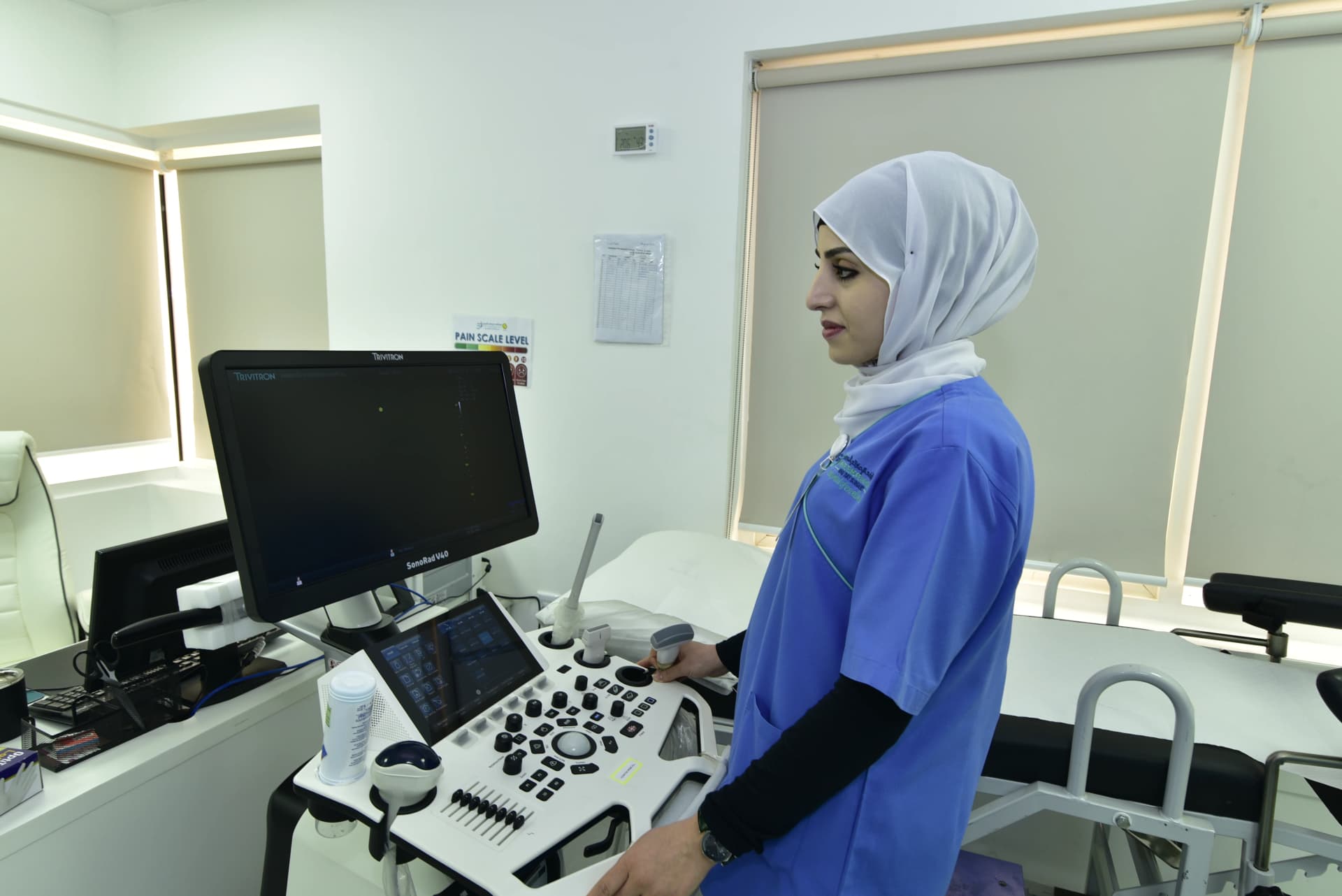
Your gynecologist may review your symptoms, menstrual history, pregnancy possibility, and medical history. A pelvic examination and ultrasound may be considered to understand the size, appearance, and likely nature of the cyst. Further tests are recommended only when clinically appropriate.
When Should You Seek Urgent Assessment?
Sudden severe pelvic or abdominal pain, especially if associated with nausea, vomiting, dizziness, or fainting, needs urgent medical assessment. These symptoms can have several causes and should not be ignored.
What Happens Next?
Depending on the type and size of the cyst, your symptoms, age, and medical history, your gynecologist may recommend observation, follow-up imaging, medication, or other management. Your care plan should be based on your individual findings.